

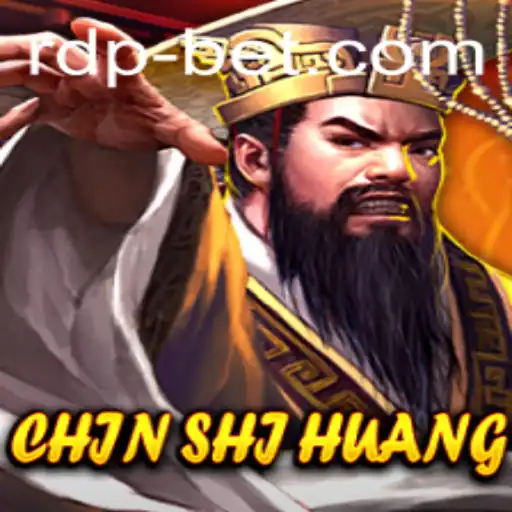

Explore the captivating universe of the game ChinShiHuang, its intricate rules, immersive experiences, and its connection with current events to captivate strategy enthusiasts.
The Exciting World of ChinShiHuang
In the realm of digital entertainment, strategy games hold a special place for those who cherish the intellectual challenge. One such intriguing contender is ChinShiHuang, a game named after the first emperor of a unified China, Qin Shi Huang. This game seamlessly blends historical context with modern strategic elements, offering players an immersive journey through time.
Introduction to ChinShiHuang
The game ChinShiHuang stands out with its unique approach to strategy gaming. Set in the era of ancient China, it invites players to step into the shoes of leaders and tacticians, navigating through political, military, and economic landscapes. While many strategy games focus primarily on warfare, ChinShiHuang broadens the scope by incorporating elements of governance, diplomacy, and cultural development, echoing the multifaceted governance style of Qin Shi Huang.
The Connection with Current Events
ChinShiHuang's launch coincides with a growing interest in historical and cultural preservation, a trend seen globally as nations seek to uphold their heritage in the wake of modernization. This backdrop provides a timely connection, enabling players to reflect on the delicate balance of progress and tradition. Present-day events, such as the increasing emphasis on renewable resources and technology, mirror the game's challenges of resource management and innovation, presenting players with scenarios that resonate with contemporary issues.
Game Description
ChinShiHuang is designed around the core principle of building an empire from the ground up. Players begin with managing a small kingdom, focusing on the expansion of territories, development of infrastructure, and enhancement of the populace's quality of life. The game incorporates an array of variables that impact success, including climate conditions, resource availability, and the ideological evolution of the state.
The visual aesthetics of the game pay homage to traditional Chinese art, with landscapes that draw inspiration from ancient Chinese paintings. The interface is user-friendly, ensuring that newcomers can quickly grasp the gameplay while seasoned strategists will find a wealth of depth to explore.
Integrating Real-World Dynamics
One of the striking features of ChinShiHuang is its realistic integration of weather patterns and natural disasters, reflecting current dialogues on climate change and sustainability. Players must strategically plan agricultural cycles and urban development to mitigate the effects of floods, droughts, and wildfires, making foresight and planning essential components of the gameplay.
Rules and Mechanics
1. Starting Your EmpirePlayers begin by selecting a region within ancient China, each with unique resources and challenges. Early tasks involve establishing a capital, harnessing natural resources, and setting the foundation for economic growth.
2. Building Alliances and DiplomacyUnlike many strategy games that operate on conquest alone, ChinShiHuang places significant emphasis on diplomacy. Forming alliances with neighboring territories can provide strategic advantages such as trade benefits, military support, or cultural exchange, enhancing the realm's prosperity.
3. Military StrategyWhile diplomacy is key, military prowess remains an important facet. Players must manage their armies, selecting the right mix of infantry, cavalry, and archers to defend or expand their territories. The game encourages creative strategies, leveraging terrain and technology advancements to outmaneuver opponents.
Adapting to Change
In keeping with the real-time strategy model, players must be adaptable. Random events such as rebellions or shifts in trade routes require rapid adaptation and decision-making, ensuring that gameplay remains dynamic and engaging.
4. Technology and Cultural DevelopmentProgress in ChinShiHuang is not limited to territorial expansion. The game includes a robust system for technological innovation and cultural development. Players invest in research and cultural institutions, enhancing their empire's prestige and influencing neighboring states.
Conclusion
The game ChinShiHuang is more than just a strategy game; it is a virtual exploration of history, politics, and human creativity. As players engage with its evolving challenges, they gain insights into the complexities of leadership and the art of balancing tradition with innovation.
ChinShiHuang provides a reflective and thought-provoking experience that keeps players engaged while subtly echoing the dilemmas faced by leaders both ancient and contemporary. Its blend of historical fidelity, strategic depth, and relevance to current events makes it a compelling addition to the strategic gaming landscape. For those ready to embark on this journey, ChinShiHuang offers a world of possibility, where every decision crafts the fabric of an empire's destiny.